
Squad
Got a phone and WiFi? PingAim routes Squad through whichever interface reaches the server with the least jitter — so your squad coordination stays tight and your positional audio stays accurate.
Does PingAim Help in Squad?
More about Easy Anti-Cheathow it works · what it blocks · known conflicts
Easy Anti-Cheat (EAC), owned by Epic Games, is integrated into Squad. EAC runs a kernel-level driver on Windows that monitors process memory, hooks, and injected modules. EAC checks that Squad runs with the EAC service active — launching without it prevents joining EAC-protected servers. The EAC service can be repaired through the official Squad Wiki repair procedure if it becomes corrupted.
VPN and network optimizers
Network optimization tools (WTFast, ExitLag, GearUP Booster) are widely used with Squad. WTFast has an official Squad game page. No reports of EAC bans for using network routing optimization software. Offworld Industries has not published any restrictions on VPN or network optimizer use.
Known software conflicts
- EAC incompatible with certain debuggers and memory analysis tools when Squad is running
- Some VPNs may trigger EAC false positives if they use kernel-level network drivers — this is different from WFP-based tools
- Anti-cheatEAC
- ProtocolUDP
- Tick rate60 HZ (variable)
- ConnectionDedicated
- HostingPrimarily community-operated s…
- EngineUnreal Engine 4
- NATModerate
- LauncherSteam
- Install size60 GB
Why ping matters in Squad
Latency sensitivity HighPing noticeably shapes the experience.
Squad's 100-player, large-map format makes network stability more critical than raw average ping. The game relies heavily on voice chat timing, positional audio, and real-time coordination between squad members. High jitter disrupts the tactical loop: you call an enemy position, squad leader marks it, and squad members respond — every extra millisecond in that chain degrades real-world coordination. Vehicle gunners and drivers depend on synchronized position data; at high ping, vehicle controls feel unresponsive and collision detection becomes unreliable. While UE4's client prediction softens local movement, other players rubber-band visibly above 100ms, making target acquisition and tracking harder. Squad's server-authoritative model means that hit registration depends on the round-trip time between your client and the server, so high ping players consistently lose engagements to lower-ping opponents despite identical aim.
About Squadbackground, studio, esports scene
Squad is a large-scale tactical multiplayer first-person shooter developed and published by Canadian studio Offworld Industries, built on Unreal Engine 4. The game draws direct inspiration from the Battlefield 2 total conversion mod Project Reality, emphasizing communication, coordination, and realistic military team play over individual skill. Matches support up to 100 players split across two opposing factions, each organized into squads of up to nine. All gameplay takes place on dedicated servers — there is no peer-to-peer fallback. Players must communicate via positional voice chat, coordinate with squad leaders, and cooperate with command-level players to capture objectives on large-scale maps ranging from 1 km² to 8 km².
Squad is built on Unreal Engine 4's standard server-authoritative networking model. The game server runs at a configurable tick rate — community servers typically run at 60 Hz — and clients receive authoritative state updates at that rate. All network traffic is transmitted over UDP. Anti-cheat is handled by Easy Anti-Cheat (EAC), which runs a kernel-level driver on Windows. The dedicated server executable is SquadGameServer.exe (Steam app ID 403240 for server tools), while the client executable is SquadGame.exe. Servers expose direct IP addresses and are discoverable via the in-game server browser — Squad does not use Steam Datagram Relay.
Squad maintains a dedicated tactical gaming community, with an average of around 12,300 concurrent players as of early 2026 and an all-time peak exceeding 38,000 in September 2024. The server ecosystem is almost entirely community-run — Offworld Industries does not operate official first-party servers in the way Facepunch does for Rust. Hosting providers such as G-Portal (official partner), GTX Gaming, and others operate servers globally across North America, Europe, Asia, Australia, and the Middle East. The game's large-map design and 100-player cap mean that network stability and low latency are critical — packet loss or high jitter directly degrades the tactical experience, particularly for long-range coordination and vehicle operation.
- Studio
- Offworld Industries
- Released
- 2020
- Platforms
- Windows
- Engine
- Unreal Engine 4
Explore the Squad Guide
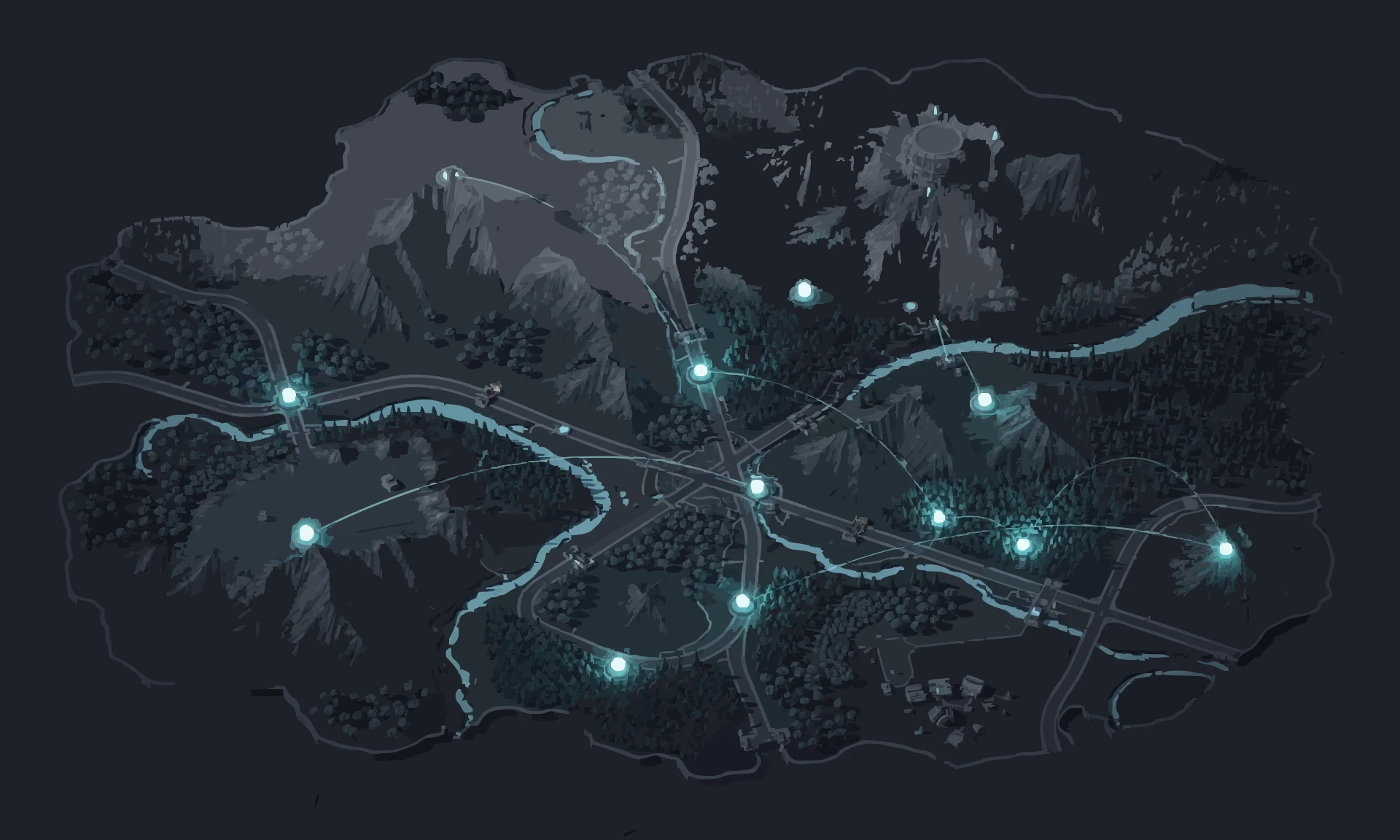



PingAim detects Squad automatically
No manual config. PingAim identifies Squad by process name and routes it through your fastest connection using a kernel-level WFP driver.
When does PingAim help — and when doesn't it?
PingAim helps when...
- Phone 5G hotspot available — route Squad through mobile and keep home connection for downloads or streaming
- Both WiFi and Ethernet connected — PingAim picks whichever reaches the game server with less jitter
- Evening peak-hour congestion causes ping spikes during active firefights or vehicle coordination
- Home network congested by household streaming or downloads competing with Squad's UDP traffic
- Playing on EU servers from the UK or Western Europe — a second connection (phone 5G) may reach Frankfurt with less jitter than your primary line
- Jitter causes voice chat to break up, disrupting squad-leader coordination in active engagements
Won't help when...
- Only one active network connection with no phone to tether — no second path to route through
- Already below 60ms with stable jitter on your chosen server — Squad plays well under that threshold
- Server-side lag from a poorly administered community server — no client-side fix
- FPS drops and stuttering — Squad is CPU-heavy; these are performance issues, not network
Related Games
Other games sharing technical traits with Squad — anti-cheat, hosting, engine, or genre.

Recent Updates
Community & Official Resources
Where players talk and where the publisher posts updates.